
In 2017, 123 police CCTV surveillance cameras in Washington, D.C., were hacked and taken offline — right before a high-profile public event. The issue wasn’t the camera. It was a failure of cybersecurity compliance (Source: BBC).
Imagine a scenario where a major supplier loses a multi-crore government contract in India because their CCTV cameras lacked a mandatory RDSO certification for use on moving coaches.
Why are certifications necessary
In both cases, the cameras worked. But they weren’t certified and didn’t comply with the norms. Certifications aren’t red tape. They prove the surveillance system is safe, secure, and legally fit for deployment — whether in a city, hospital, train, or airport.
In this guide, they explain why certifications are necessary for the video surveillance system and what are the different kinds of certifications they need.
Country-wise certifications: Ensuring legal operation
Every country defines its own rules for what surveillance equipment is allowed
Every country defines its own rules for what surveillance equipment is allowed. These certifications verify the system isn’t just functional — it’s legally compliant. These certifications protect you from failed tenders, seized shipments, and legal take-downs.
Real risk: Non-compliance can lead to project rejection, product seizure, or forced removal post-installation.
Data privacy: Securing the surveillance footage
Surveillance doesn’t just record spaces — it records people. That’s why laws and certifications are in place to govern how video data is captured, stored, and interpreted, ensuring it’s handled ethically and lawfully.
Real risk: Without compliance, footage may be unusable in court — or worse, land them in legal trouble.
Cybersecurity: Protecting the surveillance systems
Cybersecurity standards shield the surveillance plan from hacking, tampering, and unauthorized access
Cybersecurity standards shield the surveillance system from hacking, tampering, and unauthorized access — ensuring that the footage remains intact, authentic, and out of the wrong hands.
Real risk: Unprotected systems are open to hacking, live feed tampering, or footage theft.
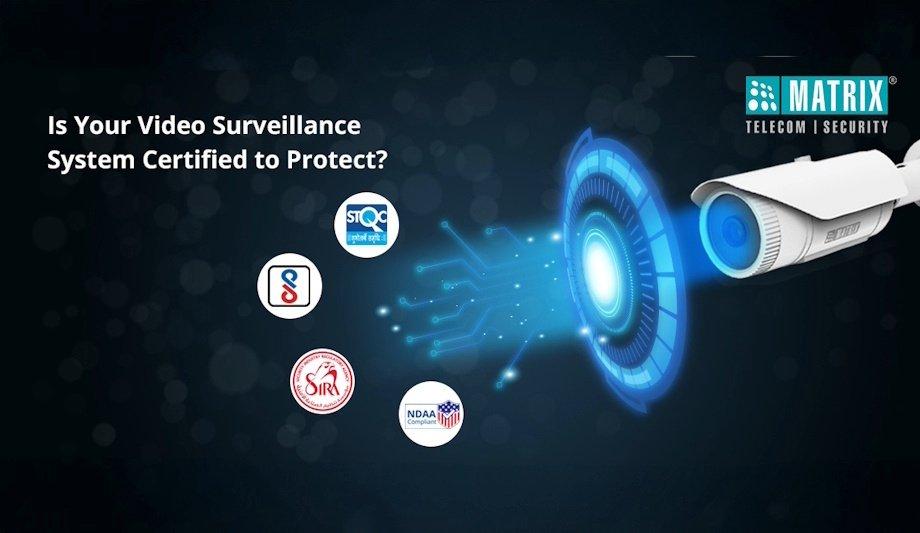
Engineered with multi-layered security and built to the highest standards, Matrix Network Cameras comply with ISO/IEC 27402, while Matrix Video Management System is STQC-certified and safeguarded against OWASP Top 10 desktop security risks—ensuring strong cyber defense and uncompromised surveillance data integrity.
To sum up
Even the best footage means little without the right certifications. Matrix Video Surveillance Solutions meet country-specific regulations and ensure data security—keeping the surveillance secure, compliant, and reliable.