In an emerging trend, cybercriminals have moved to automation to deploy ransomware at scale. As these automated ransomware extortion tactics continue to evolve, MSPs must adapt their strategies and response mechanisms to effectively mitigate these threats and protect their clients from ransom demands.
Let’s explore how this automated threat vector works and the top actionable strategies that MSPs can implement to ensure the resilience of their client’s businesses.
How ransomware gangs use automation
For an effective response, users first need to know how cyberattackers use automation for ransomware.
By recognizing patterns and signatures associated with these automated attacks, users can quickly identify and respond to threats, minimizing the time between detection and containment of the attack. These are the typical steps:
Automated Reconnaissance
Ransomware gangs employ automated scripts to search for unpatched software, misconfigured systems
The automated approach to reconnaissance involves the use of scanning tools and malware to identify potential targets and vulnerabilities within a network or SaaS Applications.
Ransomware gangs employ automated scripts to search for unpatched software, misconfigured systems, and weak authentication mechanisms, allowing them to identify entry points for exploitation.
Automated Phishing
In automated phishing attacks, cybercriminals use software tools and scripts to automate various aspects of the phishing process, including email generation, distribution, and response collection.
These tools enable attackers to send large volumes of phishing emails to potential targets quickly and efficiently, increasing the likelihood of success.
Automated Propagation
Once inside the systems, malicious actors use automation to propagate their malware and move laterally across the network. They exploit weaknesses in network protocols, misconfigured services, or unpatched software to gain access to other systems.
As the ransomware spreads from system to system, it encrypts files and locks down access to them, demanding a ransom for their release.
How to mitigate ransomware attacks
Sophos reported that 84% of private sector organizations hit by ransomware in 2023 resulted in business/revenue loss. To protect against such impact of ransomware attacks, follow these best practices:
Proactive Security Measures
Implement robust cybersecurity protocols deploying firewalls, intrusion detection systems (IDS), and intrusion prevention systems (IPS) to monitor and block malicious activity.
Common and effective measures include:
- Employ authentication methods like multi-factor authentication (MFA) to prevent unauthorized access. According to Microsoft, enabling MFA is one of the key protection measures against 99% of cyberattacks.
- Perform regular security risk assessments and audits to identify vulnerabilities. By conducting frequent vulnerability scans and penetration tests, MSPs can pinpoint weaknesses in their defenses. Additionally, regular audits ensure compliance with security policies and regulations.
- Implement a patch management process to update operating systems, software, and firmware. Keeping third-party software and applications up to date is equally important to prevent the exploitation of known vulnerabilities.
- Consider adopting a zero-trust security model. This approach assumes that no user or device should be trusted by default and verifies identity and permissions for every access request. Strict access controls that use the principle of least privilege help limit the potential impact of a ransomware attack.
Continuous Monitoring and Alerting
Additionally, employing threat-hunting techniques allows MSPs to proactively detect indicators of compromise
Continuous monitoring of client networks and SaaS applications helps in the early detection of ransomware threats. This strategy involves deploying security monitoring tools that track network traffic, system logs, and user activity in real time.
Additionally, employing threat-hunting techniques allows MSPs to proactively detect indicators of compromise (IOCs) and potential ransomware activity within client environments.
An automated alerting tool
An automated alerting tool promptly notifies MSPs of suspicious activities or potential ransomware incidents. Set thresholds for various network and system parameters, such as:
- Abnormal traffic patterns, including suspicious geolocation activity
- Unusual file access
- Sudden spikes in login attempts
When these thresholds are exceeded, security alerts get triggered, indicating potential ransomware activity.
Advanced Threat Detection and Response
Use advanced antivirus software, endpoint detection and response (EDR) solutions, and email security gateways to detect and block ransomware threats. Leveraging threat intelligence feeds helps users stay informed about emerging ransomware variants and attack techniques.
Users should develop and regularly test incident response plans to ensure a swift and coordinated combat strategy for ransomware attacks.
- SaaS security software
Clearly outline the roles and responsibilities of the response team members and identify communication channels for reporting and escalating incidents.
Users need SaaS security software that offers automated remediation for immediate response. By isolating infected systems, blocking malicious communications, and rolling back unauthorized changes, users help contain and mitigate attacks in real-time.
Client Education and Training
Give the clients a direct channel to report incidents or seek guidance on security-related issues
Conduct security awareness training sessions to teach the clients how to recognize and respond to phishing attempts, social engineering tactics, and other common ransomware attack vectors. Simulating phishing attacks helps test clients’ awareness and response capabilities.
Make sure to provide ongoing support and guidance to clients. Clients may encounter suspicious activities or potential security threats in their day-to-day operations. Give the clients a direct channel to report incidents or seek guidance on security-related issues. Timely communication helps users respond swiftly to potential ransomware attacks, minimizing the impact on client systems and data.
Protect against automated ransomware attacks
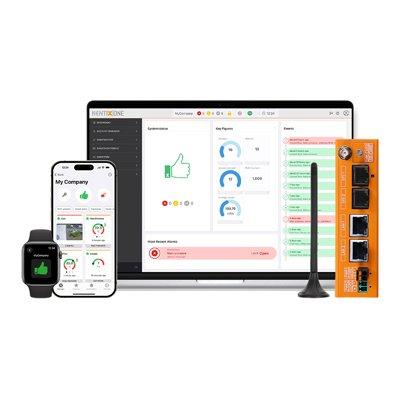
With SaaS Alerts, users can take proactive steps to enhance the clients’ security and protect against automated ransomware extortion attacks.
The SaaS security platform offers the following capabilities:
- Automated security policy control to fortify the SaaS application systems against ransomware threats. Implement robust security policies and configurations effortlessly to strengthen the defenses and mitigate vulnerabilities.
- Monitoring and analysis of account behavior to detect suspicious activities and potential indicators of ransomware attacks. Analyzing user behavior patterns also helps users concentrate on genuine threats and reduce alert fatigue.
- Automated remediation techniques to identify and secure compromised accounts or systems in real-time. Users can create customizable rules that trigger automated actions to minimize the risk.