|
| Regardless of available budget, every school should keep students and staff safe through improved physical security |
School leaders face unprecedented security challenges that require them to stay current on the latest security technologies and protocols. Unfortunately, many of K-12 buildings are antiquated and access to funding for upgrades is limited. In advance of National Safe Schools Week (October 19-25), Allegion plc has identified three critical security practices to help school leaders address evolving security threats.
"Recent attacks in our nations' schools—including 74 school shooting incidents since Sandy Hook—signal an immediate need to change our approach to school security. Unfortunately, the motivation to evaluate and update security technologies and protocols tends to wane between high-profile events," said Tim Eckersley, Allegion SVP, President Americas. "We can't afford to wait until the next tragedy to do something. Every student, parent and educator deserves a school that is secure in the face of any threat, including armed intruders and natural disasters."
Regardless of available budget, here are three things every school should do to keep students and staff safe through improved physical security:
1. Stay focused on proven and reliable practices. The safety threats facing schools today—from both intruders and natural disasters—require immediately responsive and dependable security systems. Avoid untested, new devices and ideas that may put students in greater danger (i.e. bullet proof backpacks and white boards, make-shift door barricades etc.). While the development of these new "devices" may be well intended, it could actually put staff and students at greater risk.
2. Develop a Lockdown Strategy. Lockdowns save lives. Students who locked down in their classrooms at Sandy Hook Elementary School survived. Every school should have a lockdown strategy—the ability to manage the comings and goings of each doorway and lock down, on demand, in the moment, as soon as an emergency arises.
Security experts recommend one of the following proven lockdown technologies:
Manual lockdown - using keys and classroom security function locks to lock down a space is economical, but relies upon an individual having the right key in hand and being at the right opening during a lockdown situation.
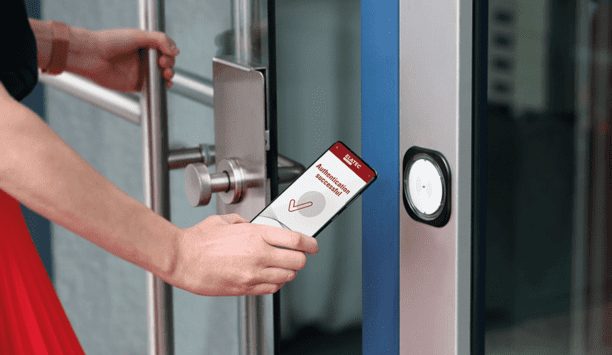
Remote lockdown - enables classroom lockdown by remote fob within proximity of door and is a cost-effective alternative to a networked system.
Centralized lockdown - this solution, when integrated with access control software, can enable school or campus-wide lockdown.
3. Plan and Prepare. Even the highest security technology will be ineffective without proper training and preparation. A school's ability to activate lockdown relies on the people and protocols you have in place. Every school needs to have a security plan that defines how you'll control access at your school, along with staff roles and responsibilities for implementing those procedures. Protocols and actions should be clearly defined, documented and practiced regularly. These policies and procedures should be part of your school's code of conduct and ensure educators—even substitutes and support personnel—are trained on them. Establish staff-wide accountability and enforce it at all levels.
"The bottom line is that the ability to lock down safely and efficiently helps save lives when a school is facing a threat. Regardless of which of these three recommended lock down systems a school uses, drills should be practiced on a regular basis. Staff and students should know exactly what to do and where to go in the case of an emergency. This should be the number one security priority in all U.S. schools," said Eckersley.