

Rolling out new access technology brings some benefits that are predictable, and others that are not as easy to anticipate.
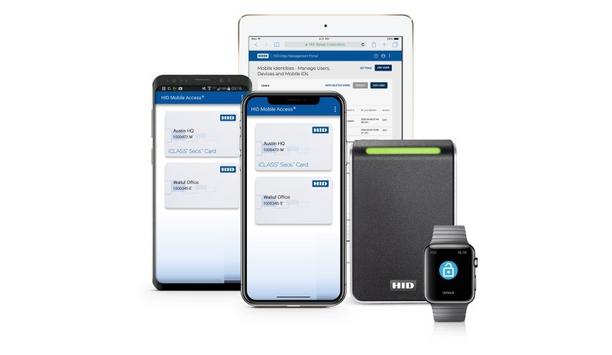
In a recent webinar, ‘Moving to Mobile Access Control’, James Moore of IFSEC Global at Informa and Peter Walsh of HID Global spoke with Allan Dawson, Workplace Services Team Manager at aircraft leasing and asset management company, Avolon, about his company’s recent rollout of HID Mobile Access.
HID Mobile Access
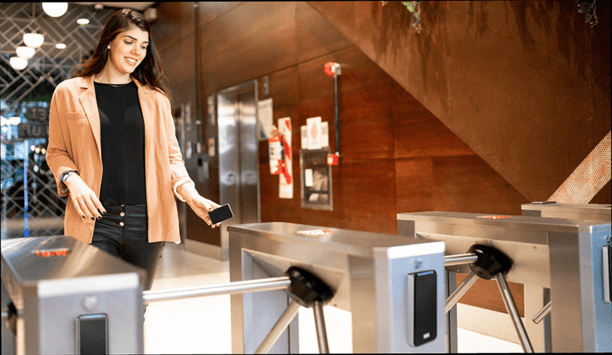
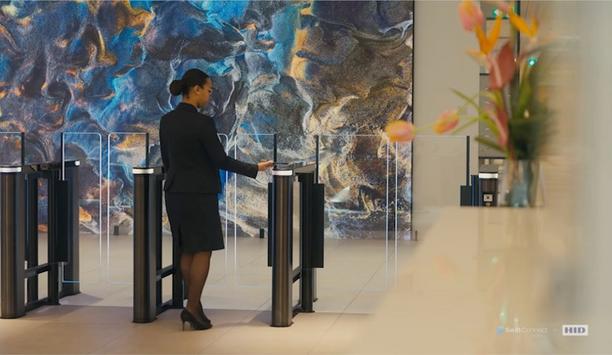
The COVID-19 pandemic was not something Avolon considered when rolling out HID Global’s mobile access technology. But it's turned out to be great, considering you can walk up to the front door of the building, use the 'Twist and Go' and the door is automatic, so it opens.
So now, you can enter the building without having touched anything except their smartphone, which they have control of. It's allowed for the company to reduce high-touch points, which is everybody's main goal at the moment.
Issuing IDs remotely
Anyone can just go onto a computer, go onto the HID Origo platform and insert the person's email address
Equally, for issuing credentials, you do not need to have someone sitting at a computer, pulling out a card, typing a number in and handing the card over, because they would need to have a whole sanitization process, so as to make sure there's no cross-contamination.
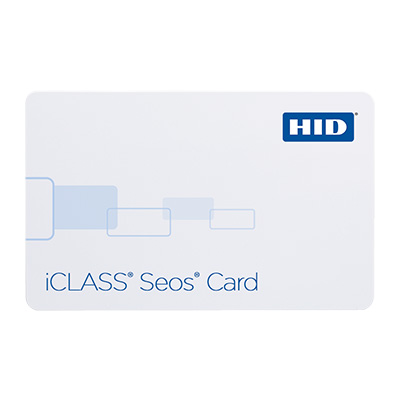
Anyone can just go onto a computer, go onto the HID Origo platform and insert the person's email address. They get the 16-digit code that they need to punch in. Once the number is known, plug that into the access control back-end and they're good to go.
The benefits of touchless access
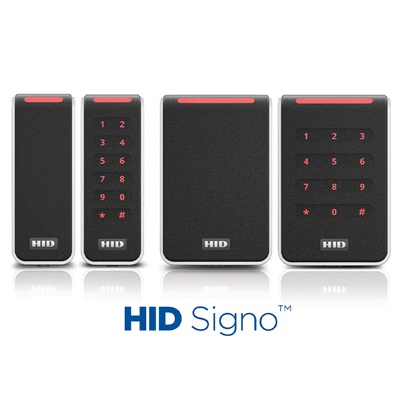
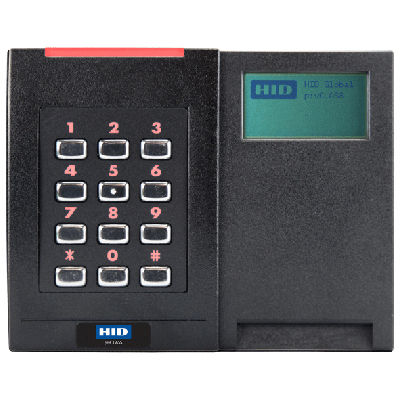
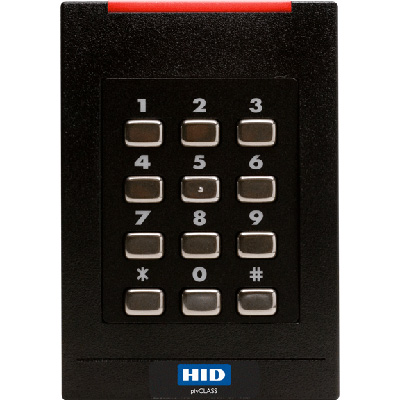
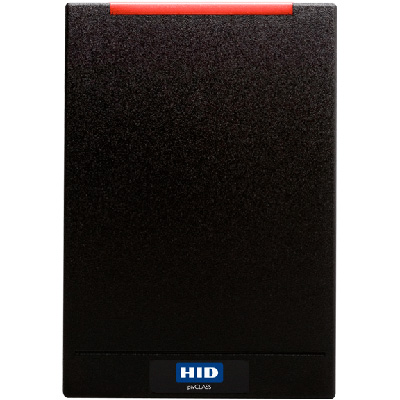
It's a very simple, straightforward, and end-to-end process, which delivers that mobile ID seamlessly. It's really worked well in this current scenario. Another benefit of HID Mobile Access is the read range. In their building in Dublin, Ireland, to access the car park, they have a big metal gate, but it's on the perimeter of what the landlord owns, so there's no pedestal outside with a reader. So, what they've done is placed one of the mobile access readers inside the gate.
It's secure, and no one can touch it, but if anyone pulls up in their car, again, one twist of their phone triggers the reader, and the gates open. This touchless access experience is a benefit and the range that it can offer is also a benefit.
Discover how AI, biometrics, and analytics are transforming casino security

- Network / IP
- Electronic security systems
- Application security
- Physical security
- Perimeter security
- Security management
- Security policy
- Security devices
- Security installation
- Security access systems
- Asset tracking
- Electronic door locks
- Electronic access control
- Identity management
- Building security
- Facility security
- Door security
- Door access control
- Security software
- Physical Security Information Management (PSIM)
- IP security solutions
- Security communication
- Gates & Fencing
- Integration software
- Perimeter protection
- Corporate Security
- Incident Management
- Security Assessments
- Mobile access
- Touchless Security