
 |
| Brian Matthews, Feenics Sales Director, will present the session and help educate on value and efficiency inherent in SaaS delivery method |
Feenics, provider of the award-winning Keep™ cloud-hosted security management solution, will present an educational session during PSA TEC 2016, May 9 through 12 in Westminster, Colorado, and highlight the robust capabilities and new integrations with its open-platform, hardware agnostic Software as a Service (SaaS) platform. Feenics is a PSA Security Network Vendor.
On Thursday, May 12 at 10:15 a.m. Brian Matthews, Director of Sales will deliver the session: “Why SaaS is More Secure and Provides Better Customer Satisfaction than On Premise Solutions.”
Matthews, who joined Feenics in 2014 after more than a decade with Lenel, will help prepare systems integrators to educate current and prospective end-user customers and IT personnel on the value and efficiency inherent in the SaaS delivery method.
Keep™ cloud-hosted security platform
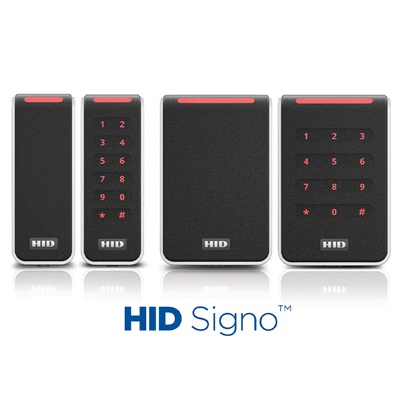
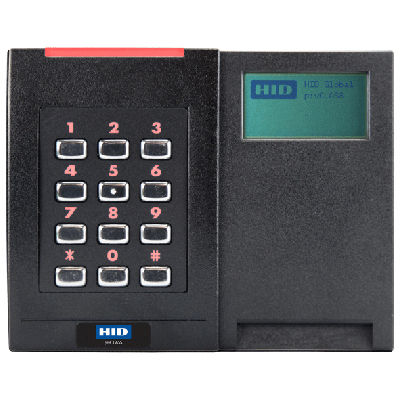
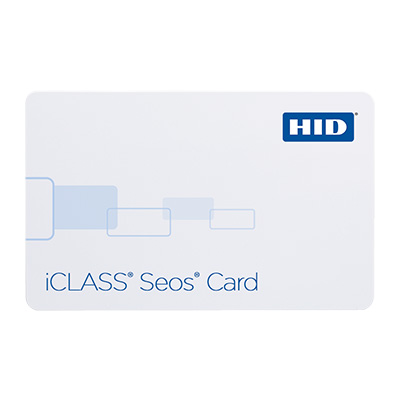
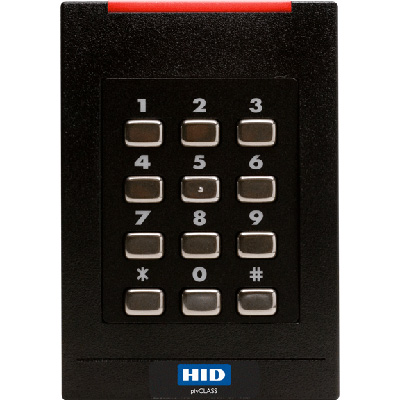
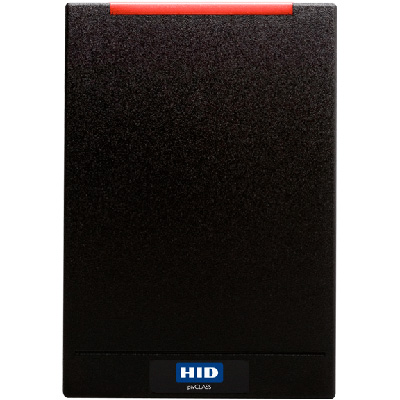
During exhibit hours on Wednesday, May 11 beginning at 9 a.m., Feenics management will be on hand at exhibit space B2 to answer questions and demonstrate to integrators the Keep™ platform, new mobile apps and other features and functionality which reduce end-user costs and offer customers deployment choices. In a hosted environment, Feenics has engineered Keep™ to run without servers or appliances onsite, lowering the total cost of ownership for the end user and eliminating costly refreshes of servers and hardware. However, when installed within a local network, Keep™’s server requirements are also minimal. In addition, Keep™ uses the industry’s most widely installed, non-proprietary field hardware by global access control leaders HID and Authentic Mercury Security. It also interfaces with wireless lock leaders ASSA ABLOY and Allegion for limitless expansion options without costly cabling and infrastructure rip-and-replace scenarios.
Whether hosted in the cloud or hosted at the site, Keep™ uses the same User Interface (UI) and addresses cyber risks by utilizing outboard ports and TLS encryption with field hardware and a secure SSL connection. In addition, password policies and two-factor authentication can be activated by the administrator. The platform is based on the widely used and deployed Microsoft.net architecture.
From facial recognition to LiDAR, explore the innovations redefining gaming surveillance