What Are The Security Challenges Of Hospitals And The Healthcare Industry?
26 Jun 2019

- Hospitals face security challenges like perimeter breaches and access control of sensitive areas.
- Cyber-risks threaten healthcare facilities, requiring robust cybersecurity measures for patient data protection.
- Video surveillance is essential for maintaining secure environments in healthcare facilities.
Editor Introduction
The ability to treat patients in a secure environment is a base requirement of hospitals and other healthcare facilities. Whether facilities are large or small, security challenges abound, including perimeter security, access control of sensitive areas, video surveillance, and even a long list of cyber-risks. We asked this week’s Expert Panel Roundtable: What are the security challenges of hospitals and the healthcare industry?


Preventing security incidents is a priority and a challenge for healthcare directors. Traditionally, the success of a healthcare facility’s safety program has been equated to the number of issues that warranted a response; though, the simple number of emergency responses is not helpful in preventing the same situations from occurring again. Institutions are transitioning from incident-based to outcome-based metrics to drive behaviors that are more consistent with the larger healthcare mission of caring for patients. Data-driven insights are becoming crucial as they can proactively identify and address risks to improve security operations across a healthcare system. For example, cloud-based technology can assist with determining the root cause of false alarms, stop activities that trigger them and eliminate unnecessary response. In a hospital setting, the platform can alert facility directors of an event in real-time and decide the appropriate course of action based on historical data from across building systems.

The most obvious challenge is that hospitals are built around an open, accessible environment, but must still protect its employees, patients and assets. No matter the industry, there is always potential for theft, and a hospital is no different. At any given time, people can walk in, seeking help or otherwise. There is a high flow of foot traffic, making it difficult for receptionists to remember faces or to detect suspicious activity. Hospitals need to maintain a level of accessibility, but also be ready to respond to any criminal activity. This is a difficult dynamic to combat, and it requires a specialized solution.

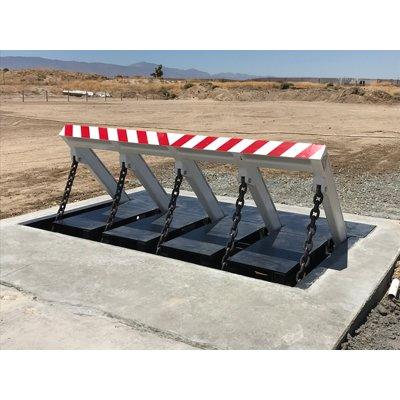
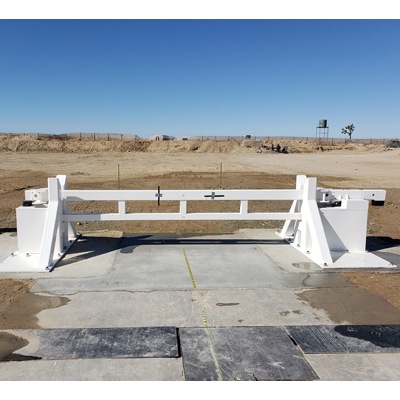
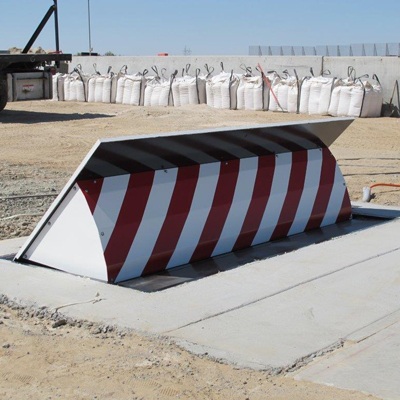
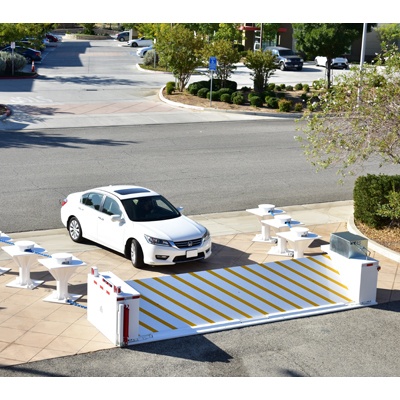
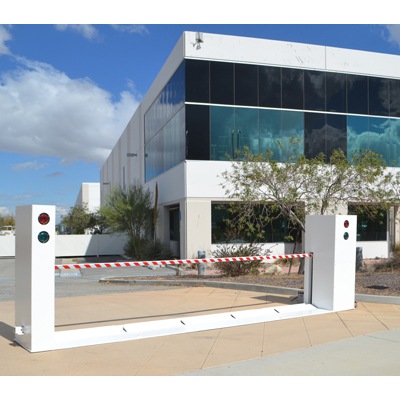
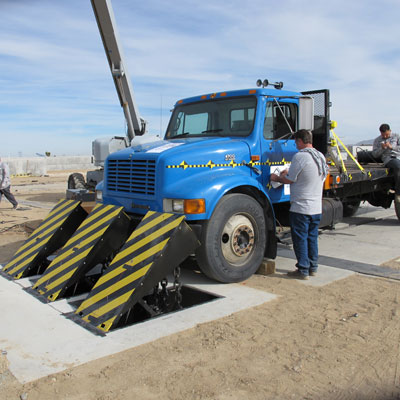
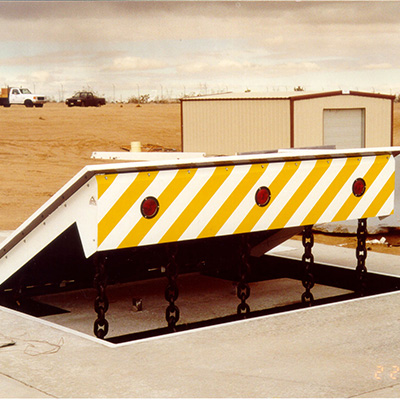
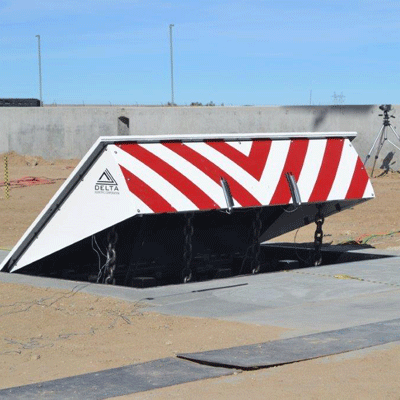
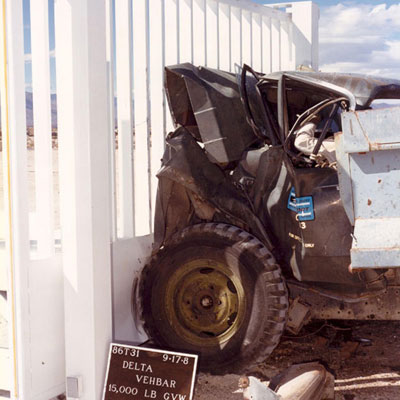
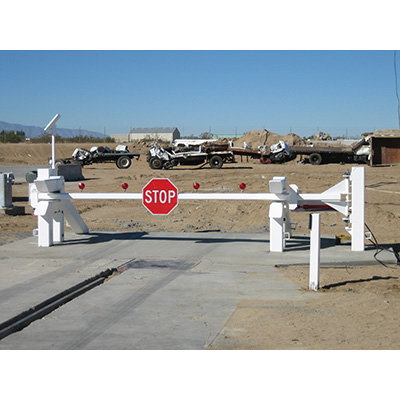
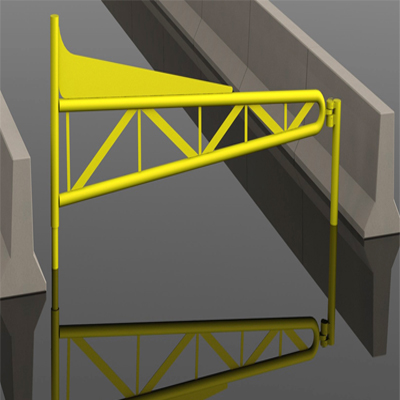
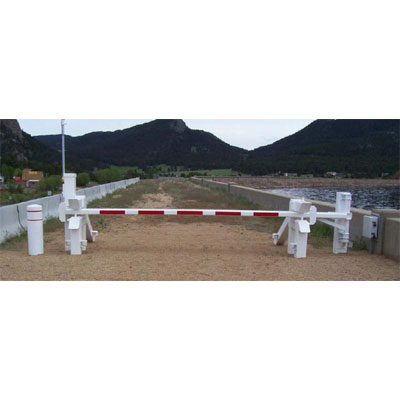
For vehicle access control, medical centers and hospitals prefer beam barricades and shallow foundation barriers. Manual beam barricades are installed at the Fort Bragg Veterans Administration Hospital in North Carolina to shut down certain areas of the facility when a higher alert is sounded. They will stop a 15,000-pound vehicle traveling 50 mph. The Navy Hospital in San Diego uses high speed, high security and very shallow foundation barricades to control all vehicles going in and out of the facility. With their extremely shallow foundation, they obviate the concerns of interference with buried pipes, power lines and fiber optic communication lines. They will stop a 15,000-pound vehicle traveling 50 mph. At the National Institute of Health in Bethesda, Maryland, even stronger shallow foundation barriers are used for traffic control and protection. These barriers will destroy a 65,000-pound (5.4 million foot-pounds) dump truck traveling 50 mph and continue to stand.

When you hear the term healthcare security, it’s common to think of vast hospital campuses with high volumes of visitors every day. But we shouldn’t overlook individual healthcare facilities that are often part of a larger system and possess unique needs when it comes to ensuring protection. These smaller organizations must be intertwined and connected through a network for remote management, but they tend to encounter challenges such as costly updates for on-premise solutions, hardware investments, cybersecurity concerns and the necessity for comprehensive visitor management and video verification. These facilities can address these challenges by leveraging cloud-based services, which can help enhance business efficiency and security in a highly functional, convenient and flexible manner. The cloud provides numerous benefits, including centralization, streamlined communication, data security and cost-effectiveness, all of which can facilitate a connected healthcare network that allows facilities to seamlessly protect patients, staff and assets.

Similar to other large campus environments, hospitals face a variety of challenges when it comes to streamlining security and mitigating risks. With large, complex facilities, directors of security at hospitals struggle with controlling access to various levels of the facility. To manage the risks that hospitals face and ensure a comprehensively protected atmosphere for patients and staff, it is vital to implement integrated and innovative access control solutions. For example, ease of access with controlled entrances is vital to medical crash teams, as is the need for a zonal access control lockdown in the event of a contagious disease outbreak. Different hallways, rooms, floors and waiting areas within a hospital require different amounts of restriction, and sensitive materials, such as medical files, controlled substances and sterile environments (such as operating and procedure rooms) all necessitate an additional layer of protection.

Expansive areas with multiple buildings and structures on a campus make the security of these facilities more difficult, necessitating multiple systems that monitor various areas, such as video surveillance cameras, shooter detection, infant safety, nuclear medicine monitoring, video analytics, and more. Another challenge is presenting all of the incoming information from these systems into a single pane-of-view security operations center (SOC) that allows operators to access the information they need quickly and efficiently in the event of an incident. Today’s healthcare SOCs must be equipped and designed with these considerations in mind as these organizations aim to overcome security challenges to comprehensively protect patients, visitors, staff, and assets across the facility.

Hospitals and healthcare providers face a more tangible cyber-threat than other industries. Hospitals deal with life and death situations almost hourly, and a cyberattack could bring those life-saving decisions to a standstill. Distributed denial of service (DDoS) attacks, which can render networks useless, pose a huge threat to the operational efficiencies of hospitals, costing healthcare providers money and potentially patients’ lives. Other common attacks are also detrimental to hospital operations, malware, ransomware and data breaches. Until the healthcare industry begins to include security in all business decisions it will continue to be vulnerable to potentially fatal hacks.

There are a number of security challenges that are unique to the healthcare industry. The three biggest issues that healthcare organizations face are compliance with data security regulations, the immediate need for reliable data access, and an expanding threat landscape. These challenges aren’t new either, according to the Thales Healthcare Data Threat Report from 2018, 77% of hospitals reported a breach. As the healthcare industry continues to adopt technologies like IoT, cloud storage and more, vulnerabilities will increase exponentially without proper encryption and security standards. A perfect example of this is the recent Quest Diagnostics breach which has left nearly 12 million patient records exposed by a third-party vendor. It is tantamount that companies are sure their technology is up to compliance regulations as well as the companies they partner with.

IoT and connected medical devices have created significant opportunity for hospitals to tackle major population health challenges. But these devices have also opened the door to hackers as they are leaving networks vulnerable. Bad actors hold hospitals hostage, effectively halting hospital operations and patient care until the ransom is paid. Malicious actors can not only steal sensitive patient information and alter records, they can directly interfere with a patient’s care via a medical device. To meet this challenge, today’s hospitals must prioritize implementing a process for identifying, securing and managing the risk associated with all internet of things (IoT) devices. Those responsible for healthcare technology – IT, IS and biomed teams – must work together to achieve better hospital security in today’s elevated threat landscape. While each has their own area of expertise (network management, security and healthcare technology management), they must work together to secure devices connected to the network.

Healthcare organizations are 100% committed to the safety and security of their patients, families and staff, which is why many facilities rely heavily on video surveillance solutions to help create safe healthcare environments and provide the highest level of protection. However, when facilities experience surveillance infrastructure failures, this can not only compromise patient care, security and safety, but also cause compliance challenges and affect daily business operations. When reliable video retention solutions are implemented, data can become a trusted source of information to the organization and open the door to expanding the value of video from enterprise security operations to supporting other service departments and business initiatives. Utilizing intelligent infrastructure to create a safe campus environment for healthcare facilities is critical in mitigating unnecessary exposure to risk, and it can assist with strict federal standard compliance for data management ensuring patient medical information is secure.

Hospital security personnel are faced with the challenge of protecting an expansive, constantly moving environment. Video surveillance, security sensors and networked systems, such as access control, video analytics, dispatch, nurse call, alarms, and RFID, help medical facilities realize new levels of awareness. However, the actual value of data derived from these systems cannot be fully understood without correlating information from these solutions together. The ability to fuse multiple data sources (even traditional security, IT and cyber) into one system helps healthcare facilities realize greater insight into what’s happening throughout the hospital. This is a significant step forward because, in the past, security teams would have to manually combine information from multiple systems to create that visibility. Managing and analyzing information in real-time is critical for security operators to be able to properly assess security incidents and dispatch the right resources effectively and efficiently. Healthcare facilities need a comprehensive security.
Editor Summary
Hospitals are complex environments that require a multi-faceted approach to ensure safety and security. Even smaller healthcare facilities face a growing number of vulnerabilities, including concerns about privacy and cybersecurity. Our Expert Panel Roundtable addresses many facets of healthcare security and suggests some existing solutions to address the challenges. Heeding their insights could result in safer hospitals and healthcare facilities.
Delta Scientific Corporation products

Delta Scientific Corporation news

Delta Scientific Corporation, the global pioneer in high-impact vehicle barricade systems, is proud to announce the launch of its newest innovation: the DSC50 “S” Barrier, a lightweight, crash-rated security solution tailored for temporary deployment across high-traffic urban environments. Motivated by recent public safety challenges and a mounting global awareness of vehicular threats, Delta’s engineering team designed the DSC50 “S” Barrier to provide rapid, visua...
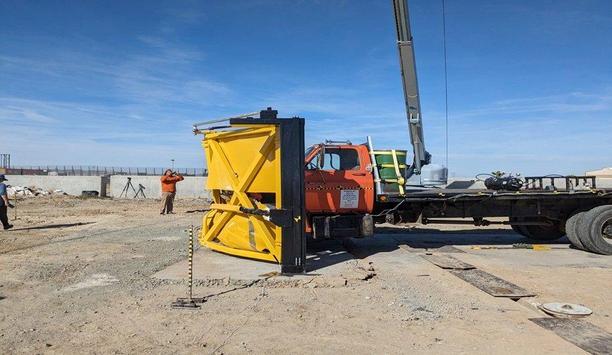
Delta Scientific, the manufacturer of counter-terrorist vehicle control systems used globally, announced their MP100 portable barrier system has successfully achieved an M30/P3 designation. Total penetration was measured at a mere 51 feet, making this an industry pioneer. The MP100 was tested to the new ASTM F2656-23 standard which measures the penetration level from the pioneering edge of the barrier versus the back-side of the barrier of the previous standard. Foldable design The MP100 port...
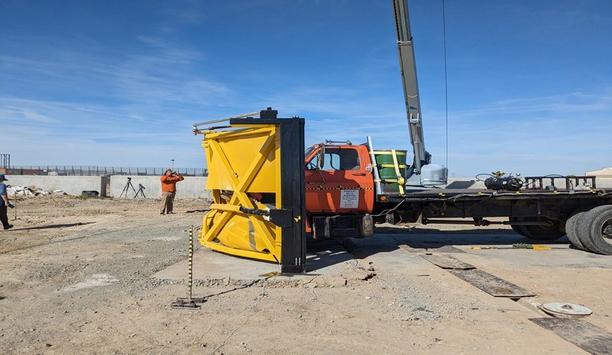
Delta Scientific, the manufacturer of counter-terrorist vehicle control systems used globally, announced their MP100 portable barrier system has successfully achieved a PU30/P3 designation. Total penetration was measured at a mere 29 ft, making this an industry pioneer. The MP100 was tested to the new ASTM F2656-20 standard which measures the penetration level from the leading edge of the barrier versus the back-side of the barrier of the previous standard. MP100 portable barrier system The M...
Delta Scientific Corporation case studies
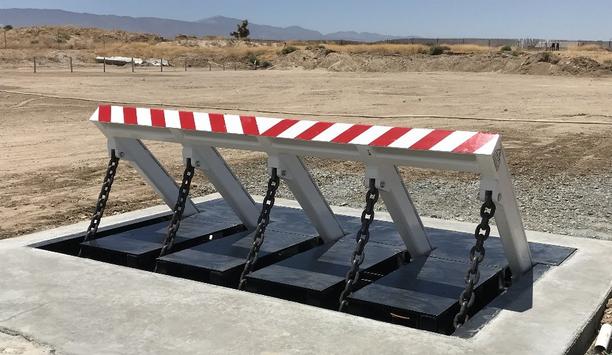
The DSC550 was tested to the new ASTM F2656-20 standard which measures the penetration level from the foremost edge of the barrier versus the back-side of the barrier like the previous standard. This can provide a difference of (1.52 m.) and makes the negative penetration level even more impressive. Design and features The DSC550 Open Frame barrier features a shallow foundation of only 24 inches (61 cm). The open-frame design additionally provides a unique counter-balance design with no spring...
This July, Delta Scientific expanded its partnership with American Family Field, home of the Milwaukee Brewers, delivering new levels of crowd protection for fans and staff alike. After deploying MP5000 portable barriers for perimeter safety, stadium officials turned to Delta again, this time for a flexible solution at tighter access points. The answer: the MP100, Delta Scientific’s newest portable barrier with M30/P3 crash rating, rapid setup, and custom Brewers decals. Whether protec...
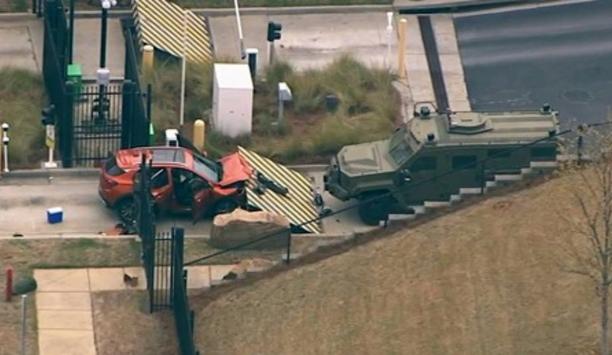
Delta Scientific, the pioneering manufacturer of counter-terrorist vehicle control systems used globally, announced that on Monday, April 1st, a DSC501 High-Security Barricade stopped an unauthorized vehicle from entering an FBI field facility in Atlanta, Georgia. According to officials, the orange Buick Encore tried to follow an FBI employee’s car into the facility before being stopped by the Delta DSC501 barrier. The driver was then apprehended by special agents who were in the immediat...
Delta Scientific Corporation videos


Delta Scientific: 40 Years Protecting the World's Most Important Facilities
Delta Scientific Corporation DSC 207s Embassy Barricade For US State Department
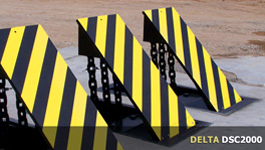
Delta Scientific DSC 2000 Barricade for Hotels and Soft Targets
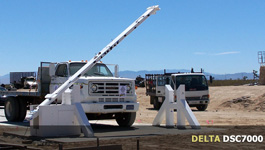
Delta's DSC7000 Barricade System K12 Crash Certified by US Department of State
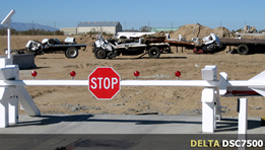
Delta DSC 7500 Beam Barricade certified for K12 Crash Test of Department of State, US
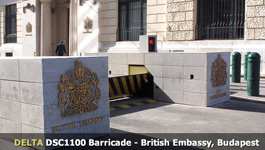
Delta Scientific Corporation- Leading Manufacturer of Electronic Vehicle Detection
DSC501 Barricade System K54 Crash Certified

DSC 288 Slide Gate

DSC 650 Shallow Bollard System

Delta Scientific Portable Barriers-MP5000

Delta Scientific Corporation- DSMP5000 16 Foot Version
MP5000 Portable Barricade by Delta Scientific complies to specification of U.S. Department of state

Delta Scientific Corporation DSC600 Shallow Foundation Fixed Bollard Array -K12 Crash Test
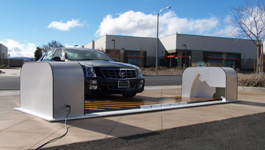
Delta Scientific Corporation DSC-1200 Surface Mounted Barricade
Expert commentary

Security beat